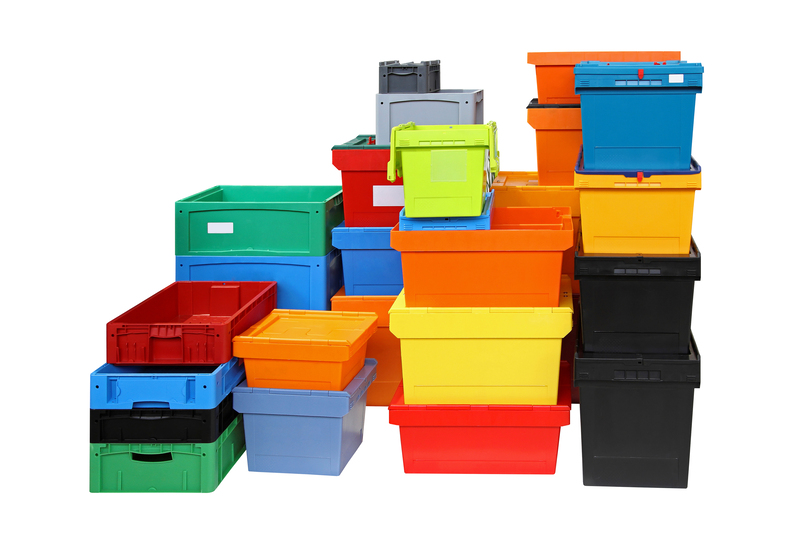
Switzerland removals

Switzerland removals need careful planning, steady handling and a clear process from the first box to the final placement. We provide a removal service that helps with household moves, furniture transport and wider moving tasks, with support shaped around the load, the access points and the destination. If you are arranging a flat move, a family house move or a more detailed move with packing involved, the aim is to keep the work organised and straightforward.
Our service is built around practical moving support rather than a one-size-fits-all approach. Some customers need a full house removal, while others only want heavier items collected and delivered with the right vehicle and loading help. We can also support moves that include dismantling, careful wrapping and a planned sequence for loading so that the job feels manageable. For a wider view of what is available, see our removal services.
The work is easier to manage when the main items, access restrictions and delivery details are clear from the start. It helps to know whether there are stairs, lifts, tight hallways, parking constraints or items that need extra protection. A short description of the move is often enough to begin shaping the plan, and it can also help to decide whether a smaller van move or a more involved house removal is the better fit. Tell us what needs moving and we can take it from there.
House removals and home moving support
House removals are rarely only about lifting and carrying. They often involve a sensible order of work, from protecting fragile items to making sure the largest furniture pieces are handled without unnecessary strain. We can support moves between rented homes, family properties and different types of residential accommodation, with the service tailored to the size of the property and the amount of furniture involved. The purpose is to keep the move orderly, safe and suitable for the job in hand.
Different homes create different moving requirements. A compact flat may need efficient carrying routes and a careful plan for parking, while a larger house can involve multiple rooms, bulky furniture and items that need dismantling before they can be loaded. If you are comparing options for domestic moving, our home moves page gives a useful overview of the type of household work we handle. For many customers, the next step is simply to request a quotation once the scope is clear.
For some jobs, packing support makes the move much easier to manage. That may include wrapping breakables, preparing boxes in an orderly way, or unpacking items once they arrive so the essentials are ready sooner. Where a customer wants more structured assistance, packing and unpacking services can sit alongside the removal itself. Careful preparation reduces delays, especially where access is narrow or the furniture is awkwardly sized.
Moving vehicles and loading options

Choosing the right vehicle matters because it affects how efficiently a move can be completed and how many trips may be needed. For smaller domestic loads or simple point-to-point transport, a van-based service can be a practical option. For larger furniture sets and fuller house loads, a more substantial vehicle may be more suitable. The decision is based on the volume of goods, the items’ shape, and how they need to be secured during transit.
Our moving van page relates to a straightforward vehicle-based approach for smaller or medium-sized moving work, while the moving truck option is better suited to larger or heavier removals where extra capacity is useful. In some situations, customers just need an adaptable moving vehicle with loading help rather than a full-scale relocation package. That flexibility is one reason many removal jobs are planned around the load rather than a fixed template.
If the move is mostly about transporting items safely, the loading process deserves as much attention as the vehicle itself. Heavy objects should be positioned securely, and fragile items should not be left to shift during transit. A clear list of furniture and boxes usually helps us judge the right scale of support. One well-organised load is usually better than several rushed stages, especially when time on site is limited.
Domestic moving details worth confirming
There are a few practical details that make household removals easier to quote and easier to complete. Knowing whether items must be carried up or down stairs, whether parking is straightforward, and whether large pieces need dismantling helps shape the moving plan. If there are fragile possessions, awkward corners or items that need covering, those points can be worked into the arrangement early. This is especially helpful where the move is time-sensitive or where the property layout is not simple.
A short inventory of the main items is often enough for the first discussion. It does not need to be elaborate; the point is to identify the furniture, appliances and box count well enough to choose the right approach. If you are comparing domestic and light commercial work, the removal company page is a good place to explore the broader service structure. After that, the next sensible step is to ask for a quotation based on the actual items and access involved.
The best results usually come from clear coordination rather than assumptions. If there are items that need special handling, mention them early so they can be included in the plan. Where helpful, we can discuss whether the move would benefit from added packing support, a different vehicle size or a more focused approach to loading. That way the service matches the move rather than forcing the move into a fixed pattern.
Furniture, individual items and smaller collections

Not every request is a full property move. Some customers only need a sofa, bed frame, wardrobe, office desk or a few bulky items collected and delivered. Furniture pick-up work can be useful when an item has been bought privately, moved between addresses or needs to be cleared in a planned and careful way. The emphasis is on safe handling, sensible lifting and making sure the piece arrives in good condition.
If the job is limited to a smaller load, a dedicated collection can be more efficient than arranging a full moving team for the same task. Our furniture pick-up page reflects that kind of work, where the main need is often secure transport and careful manoeuvring rather than a complete house move. For customers with mixed items, the service can still be shaped around what needs loading, what needs protecting and what needs to be taken apart before travel.
When single items are involved, dimensions matter. Tall furniture, wide headboards and heavy cabinets may need an assessment of door widths, stair turns and the route from room to vehicle. A simple description is usually enough to begin. If there is uncertainty about how an item will be moved, it is better to flag that than to leave it until moving day. Practical detail saves trouble once the lifting begins.
Packing, protection and careful handling
Good removals are not only about transport; they also depend on how items are protected before they leave the property. Delicate belongings, polished furniture and awkwardly shaped pieces often need wrapping or separating so they do not rub, chip or shift during the move. We can include handling methods that suit the load, whether that means extra wrapping, careful stacking or planning which items should be loaded first and last.
Where packing help is needed, a structured approach can make the whole move more manageable. Boxes should be labelled in a way that supports both loading and unpacking, and breakable items should be kept stable inside the vehicle. For customers who want a clearer picture of what the packing service involves, the packing and unpacking services page provides a useful route into that support. The result is a move that is more orderly from start to finish.
Preparation advice can stay simple: group the items you want moved, separate anything staying behind, and note any particularly awkward objects. If dismantling is needed, it helps to mention which pieces may need to come apart so the right time can be allowed. Where a move includes antiques, glass or high-value items, extra caution is sensible even when the overall load is modest. The goal is always the same: steady handling and reliable placement.
Commercial moving and office relocation
Commercial moves call for a different rhythm from domestic removals because they often involve desks, filing, stock, equipment and a need to reduce interruption. We can support office relocation services and other business moving tasks where items need to be lifted, transported and placed in a way that keeps the transition organised. The work may be a compact office, a larger premises move or a smaller business collection that still needs careful timing.
For more detailed business move planning, our office relocation services page covers the broader office-based side of the work, while commercial moves suits businesses looking for a practical removal arrangement across stock, furniture or equipment. Different workplaces have different priorities, so the moving sequence is often arranged around access, item type and the order in which things need to be ready again.
Commercial customers often benefit from a clear list of priority items and a note of any equipment that should not be left loose in transit. If a desk, cabinet or workstation needs dismantling, that can be built into the job plan where appropriate. Our aim is to keep the process measured and sensible, so that the move works around the business instead of becoming an unnecessary interruption.
About Switzerland
Switzerland is a landlocked country in Central Europe, known for its mountainous landscape, political neutrality and strong regional diversity. It borders France, Germany, Austria, Liechtenstein and Italy, and its terrain ranges from the Jura in the northwest to the Alps across much of the south and east. The country’s geography has shaped settlement patterns for centuries, with valleys, lakes and mountain passes influencing transport, trade and the location of major towns. Its federal structure means that cantons retain substantial authority, and local traditions remain visible in languages, customs and public life. Four national languages are recognised: German, French, Italian and Romansh, each associated with particular parts of the country and different cultural influences. Swiss cities often combine medieval centres, modern infrastructure and carefully managed public spaces, while smaller towns can retain older street patterns and historic buildings alongside newer development. The national economy is closely associated with finance, precision engineering, pharmaceuticals, watchmaking and tourism, although regional economies vary widely. Rail travel is especially important, with an extensive network linking urban centres, valleys and mountain communities. Lakes such as Geneva, Lucerne and Zurich are major features of the landscape as well as places of recreation and commerce. Swiss cultural life includes museums, classical music, local festivals and outdoor sport, and many communities maintain strong seasonal customs connected to alpine farming, winter travel and civic events. The country’s long-standing reputation for orderly administration and high-quality public services is matched by a landscape in which natural scenery and built environments are often closely interwoven.
Practical moving choices for different loads

Some customers want a more flexible service that sits between a full house removal and a simple collection. That is where a man and van style arrangement can be useful, especially for smaller moves, lighter loads or jobs that need a vehicle and loading help without a larger team. It can be a sensible option when the items are manageable but still too awkward to transport alone. The balance is convenience, care and a size of service that matches the load.
Our man and van service is one way to approach that kind of move, and the related man and van removals page offers another route for customers looking for that style of practical support. There is also the man with van option, which may suit straightforward transport requirements. These pages reflect closely related ways of handling smaller-scale moving work without making the job more complicated than it needs to be.
Choosing between these options usually comes down to the size of the load, the number of bulky items and how much loading help is needed. If the move involves several rooms of furniture, a stronger removal arrangement may be more suitable; if it is a modest load, a smaller setup can be efficient. Either way, the key is to match the service to the actual work rather than the other way around.
Quotations, scheduling and what to include
When requesting a quotation, it helps to include the main items, the move dates you are considering and any access details that could affect loading or delivery. That might include stairs, parking limitations, long carries or items that will need dismantling. If there are a few possible dates, saying so can make planning easier. The more accurate the outline, the easier it is to estimate the work sensibly and avoid unnecessary change later.
For customers who want to compare pricing information before going further, the pricing and quotes page is a useful place to look at the structure of enquiry and estimate work. If you already know the move is straightforward, you can simply ask for a quotation and provide the basic details in one message. A good enquiry does not need to be long; it just needs to be clear enough to reflect the real job.
Request a quotation when you are ready to move forward, and include enough detail for the job to be understood properly. If you prefer, start with a short description of what is moving and then add the access points and any special items. That gives us a practical basis for responding, whether the move is household, furniture-only or business-related.
Safety, insurance and responsible transport

Moving heavy and fragile items requires attention to safety as well as efficiency. Good practice means using suitable lifting methods, securing goods properly in transit and handling awkward pieces with enough care to reduce the chance of damage. If you want to know more about the standards behind the work, our insurance and safety page explains the general approach, while health and safety policy gives further detail about responsible working practices.
There are also pages for broader business information, including about us and contact us, which can be useful once you have a move in mind and want to take the next step. We also keep information available on payment and security and terms and conditions so that the practical and administrative sides are not left unclear. A move goes more smoothly when the expectations are straightforward from the beginning.
If you are planning Switzerland removals and want a service that treats the load carefully, the next step is simple: review the relevant pages, decide which style of moving support suits the job, and ask for a quotation. Whether the task is a household move, a furniture collection or a business relocation, a clear description of the work is usually enough to begin. We are ready to help you shape the move around the items, the access and the destination.