Office Relocation Services in Switzerland
Moving a workplace is never just about boxes and vehicles. It is about keeping business running, protecting equipment and files, coordinating people, and making sure the new space is ready when your team arrives. Office Relocation Services in Switzerland are designed for companies that need a move handled with planning, discretion, and local know-how. Whether you are relocating a small office in Zurich, a multi-floor department in Geneva, a startup in Lausanne, or a corporate suite in Basel, the right moving partner can reduce disruption and help your team settle in faster.
Businesses across Switzerland face unique moving challenges: narrow old-town streets, underground garages with height limits, loading zones that require permits, secure access buildings, and office towers where lift reservations must be coordinated in advance. A local team understands these realities and can adapt the move to the property, the schedule, and the needs of your staff. That practical experience matters when time is short and every hour of downtime counts.
We support both commercial and residential customers who are shifting workspaces, home offices, shared work areas, and branch locations. From careful packing to workstation setup, the goal is to make the process smoother from the first survey to the final placement of desks, chairs, and IT equipment. If you are planning an internal move, a full business relocation, or a phased transition, now is the right time to request a free quote and discuss a move plan that fits your timeline.
Why businesses in Switzerland choose professional office relocation

An office move can quickly become complicated without a structured approach. Swiss businesses often work in buildings with strict move-in rules, limited freight access, or shared entrances that require careful scheduling. Professional movers bring the right equipment, a trained crew, and a practical sequence for handling furniture, technology, archives, and fragile items. This reduces the chance of delays, damage, or confusion on moving day.
For many companies, the biggest concern is not the transport itself but the interruption to work. A good office move service is built around continuity. That means planning the sequence of tasks so that departments are relocated in the right order, essential items are prioritised, and downtime is kept as low as possible. In a busy city like Zurich or Geneva, this can also mean working outside peak hours or coordinating access for weekends and early mornings.
Another reason local customers choose specialist help is the range of office environments in Switzerland. The country has everything from modern business parks in Zug and Rotkreuz to older city buildings in Bern, Lausanne, and Lugano. Each space brings different access constraints, floor protection needs, and transport logistics. A local office relocation team can assess these conditions and prepare the right solution instead of using a one-size-fits-all approach.
What our office relocation services can include
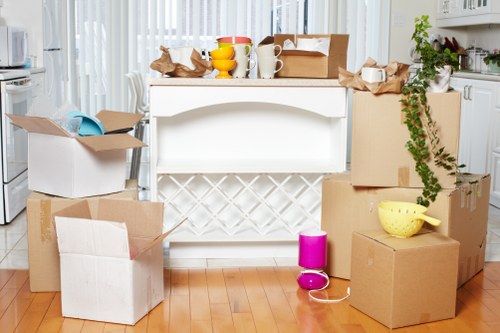
Office moves can be adapted to many different business needs. Some companies want a complete end-to-end relocation, while others only need support with the heavy lifting, transport, or furniture assembly. The service can be scaled to the size of your office, the type of equipment involved, and the deadline you need to meet.
Typical office relocation services may include:
- Initial site review and move planning
- Packing of office contents, files, and equipment
- Supply of moving boxes, crates, labels, and protective materials
- Safe handling of desks, chairs, storage units, and meeting room furniture
- Disassembly and reassembly of office furniture
- Transport of IT hardware, monitors, printers, and peripherals
- Archive and document relocation
- Floor, wall, and lift protection where needed
- Loading, unloading, and placement in the new premises
- Coordination with building management or access rules
Some businesses also require support for special items, such as server cabinets, prototypes, laboratory furniture, or sensitive medical-office equipment. These items often need extra preparation and a more careful loading sequence. A specialist team can identify risks in advance and recommend how to prepare them for transport.
How the relocation process works
A successful move starts long before the moving truck arrives. The best office relocation services in Switzerland usually follow a clear process that keeps everyone informed and avoids last-minute confusion. This process can be adjusted for large corporate offices, smaller teams, coworking transitions, and mixed-use business premises.
1. Initial consultation and assessment
The first step is understanding what needs to move, where it is moving to, and how much time is available. This may include a site visit, photos, a room-by-room inventory, or a discussion of floor plans. During this stage, it is important to identify access points, parking availability, lift capacity, and any building rules that affect the schedule.
2. Move plan and timeline
A practical plan should list the items to be moved, who is responsible for packing, the sequence of departments, and the expected start and finish times. For larger relocations, the move may be broken into phases to keep essential operations running. If your company needs to stay open during the transition, this step becomes especially important.
3. Packing and preparation
Packing office contents properly saves time and helps prevent damage. Files should be labelled clearly, loose cables should be organised, and fragile items should be secured with appropriate materials. Workstations often move more efficiently when each desk is packed in a standard, consistent way. Many businesses appreciate having a clear colour-coding or numbering system for departments, floors, or rooms.
4. Moving day execution
On the day of the move, the crew loads items carefully, transports them safely, and unloads them according to the planned layout. In many Swiss buildings, this also involves protecting common areas and coordinating with concierge staff, facility managers, or neighbours. The move should be managed in a calm, orderly way so that the new premises can be made functional as quickly as possible.
5. Placement and setup
Once items arrive, they are placed in the right rooms or zones. Furniture can be reassembled, desks aligned, and basic workstation items placed where they belong. Some companies also request help with archive placement, reception layout, or conference room setup so the office feels operational from day one.
Local challenges in Swiss office moves
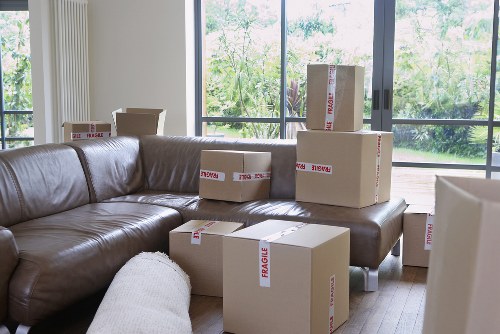
Switzerland offers excellent infrastructure, but office relocation still comes with local logistical challenges that should not be underestimated. The type of neighbourhood, building age, traffic conditions, and municipality rules can all affect the move.
City-centre access is often the first issue. In places like Zurich, Geneva, Basel, and Lausanne, many offices are located in busy districts with limited stopping space. Trucks may need parking arrangements, loading permissions, or timed access windows. Some streets are narrow or shared with pedestrians, which means loading must be done carefully and efficiently.
Lift and stair access can also shape the moving plan. Older office buildings may have smaller lifts, tight stairwells, or protected surfaces that need floor coverings. Even modern office towers can have strict rules for service lift booking, move-in hours, and security checks. These are the kinds of details a local moving team should check early.
Regional considerations matter as well. In bilingual or multilingual areas, clear communication with building management and staff helps avoid misunderstandings. In winter, weather conditions can affect access and safety. In suburban business zones around Zurich North, Zug, Ecublens, or Pratteln, larger sites may have easier truck access but more complex internal layouts. A practical moving plan accounts for both the route and the building itself.
Some offices in Switzerland are located in shared spaces, business centres, or co-working facilities where move-in rules are strict. Others are in heritage buildings where protecting entrances, floors, and walls is essential. For these environments, experience and attention to detail are just as important as vehicle capacity.
Who these services are for

Office relocation services are suitable for a wide range of organisations, not just large corporations. Many local clients need help with moves that are small in size but high in importance. A few examples include:
- Startups moving from a shared office to a larger private space
- SMEs relocating to more practical premises or better-connected business districts
- Professional practices such as legal, accounting, consulting, and design offices
- Retail back offices and administration teams moving behind the scenes
- Regional branches of national or international companies
- Medical, technical, and educational offices with specialised furniture or records
- Home-based businesses moving equipment into a dedicated workspace
Whether the office has five workstations or fifty, the same principles apply: careful planning, secure handling, and an efficient move sequence. Smaller offices often benefit from a flexible team that can work quickly with minimal disruption. Larger moves may need staged relocation, inventory tracking, and coordination across several departments.
Residential customers also benefit from local office moving support when they are creating or upgrading a home office. This may involve moving desks, shelving, monitors, and storage units into a new apartment, villa, or renovated property. In Switzerland, where many people work remotely or hybrid schedules, a functional home office is often essential for daily productivity.
What makes a local Swiss company a smart choice
Choosing a mover based in Switzerland brings practical advantages. Local teams know how different cantons, cities, and business districts operate. They are more likely to understand timing restrictions, loading rules, and access limitations that are easy to overlook until move day. They also know the kinds of buildings common in the area, from modern glass office blocks to older town-centre properties with less straightforward access.
A local service provider can usually respond faster to site inspections, last-minute changes, or phased move requirements. If your office move needs to be adjusted because a lease date changed, a lift booking was altered, or a department needs more packing time, proximity makes a real difference. Flexibility is valuable when office schedules are tied to clients, production, or seasonal demand.
There is also a communication benefit. When the moving crew understands local expectations and can coordinate clearly with property managers, your own team spends less time solving avoidable problems. For customers in Switzerland, that local familiarity can mean a smoother move from start to finish.
Preparation checklist for your office move
Good preparation reduces stress and helps the moving day stay on track. The exact checklist will depend on the size of your premises, but most businesses benefit from the following steps:
- Confirm your move date and access times with both locations.
- Notify staff of their responsibilities and pack-up deadlines.
- Create an inventory of furniture, electronics, and sensitive items.
- Label desks, rooms, and boxes clearly by department or destination.
- Back up data and secure IT systems before disconnection.
- Inform building management about lift use, parking, and loading needs.
- Arrange any required permits or access permissions in advance.
- Pack personal items separately so employees can carry them easily.
- Set aside essential items needed for the first day in the new office.
- Plan basic setup priorities: reception, workstations, meeting rooms, and printing areas.
If your business is moving over more than one day, consider preparing a room-by-room schedule so staff know exactly what gets moved first. It can also help to appoint an internal move coordinator who stays in touch with the relocation team and keeps decisions moving.
Pricing factors for office relocation in Switzerland
Customers often ask what affects the cost of an office move. While exact prices depend on the project, several factors usually shape the quote. Understanding these points will help you compare services more accurately and avoid unexpected extras.
Key pricing factors may include:
- Size of the office and number of items to move
- Distance between the current and new premises
- Amount of packing, disassembly, and reassembly required
- Need for specialist handling of IT, archives, or delicate equipment
- Access conditions at both locations, including stairs, lifts, and parking
- Timing requirements, such as evening, weekend, or phased moves
- Supply of packing materials and protective equipment
- Number of movers needed to complete the relocation efficiently
In Switzerland, access limitations can have a significant effect on the move plan. A short distance does not always mean a simple job if the building is on a narrow city street or if trucks cannot park close to the entrance. On the other hand, a larger office in a business park may be easier to handle if access is straightforward and there is more room for loading and unloading. A proper assessment before the move helps create a clearer and more realistic quotation.
How to request a quote with confidence
When you ask for a quote, provide as much detail as possible. That includes office size, move date, building access notes, number of floors, approximate furniture count, and any special items. If you can share floor plans or photos, even better. This helps the moving team understand the project and recommend the right level of support.
It is also sensible to mention whether you need full packing, partial packing, IT handling, or furniture assembly. The more accurate the brief, the more useful the proposal. If you are comparing options, make sure you understand what is included and what might be charged separately, such as parking arrangements, storage, or additional waiting time.
Commercial relocations and business continuity
For commercial customers, a move is often about more than changing address. It may involve reorganising departments, improving the layout, or preparing for growth. A relocation can support a new way of working if it is handled thoughtfully. However, the benefit only appears when the move is designed around business continuity.
That means identifying which teams must remain available, which items must be moved first, and whether some departments can continue working from temporary setups. For example, a finance team may need its archive and printers early, while a design team may need monitors and secure equipment installed before it can resume full productivity. When the move plan reflects these priorities, the transition feels more manageable.
Business continuity also includes protecting sensitive information and equipment. Many companies move confidential files, customer records, or devices with stored data. Proper labelling, controlled access, and careful transport are essential. This is especially relevant for firms in legal, financial, healthcare, and technical sectors where privacy and integrity are central to daily operations.
Residential and hybrid work moves
Not every move is a traditional corporate relocation. In Switzerland, hybrid work is common, and many people now need dedicated home-office spaces that are functional and well organised. A move may involve shifting a workstation from one apartment to another, converting part of a living room into a proper office, or moving a small business setup into a new home.
In these cases, the same principles apply: safe handling of equipment, clear planning, and careful placement. Items such as desks, filing units, ergonomic chairs, monitors, and storage boxes need to arrive in the right condition and be placed where they are most useful. A local moving team can help with the practical side of this transition so that your workspace feels ready sooner.
For families or professionals in apartments and shared buildings, access can be just as important as in commercial properties. Tight staircases, lift reservations, and limited parking spaces are common in many Swiss residential areas. A well-organised moving service can help reduce stress for everyone involved.
Areas covered across Switzerland
Office relocation needs can arise anywhere in the country, and local support is especially helpful in places where logistics are more demanding. Services are commonly requested in and around:
- Zurich and surrounding business districts
- Geneva, including central and lakeside office areas
- Basel and the wider Basel region
- Lausanne, Renens, and the Lake Geneva corridor
- Bern and nearby administrative and commercial zones
- Zug, Baar, and the wider central Switzerland business area
- Winterthur, Baden, and northern Zurich suburbs
- Lucerne, Fribourg, Neuchâtel, and other regional centres
- Lugano and selected locations in Ticino
If your office is located in a smaller town, industrial park, or a mixed-use area outside the main city centres, the right service can still be arranged. What matters is the actual move requirements, not just the address. Many companies need support on short notice, during weekends, or across multiple sites, and a flexible local provider can usually accommodate that better than a one-size-fits-all approach.
Frequently asked questions
How far in advance should we plan an office move?
It is best to start planning as early as possible, especially for larger offices or moves in busy city locations. Even a small office benefits from having time to review access, building rules, packing needs, and staff responsibilities. Early planning helps avoid last-minute pressure.
Can the move be done outside business hours?
Yes, many office relocations are scheduled for evenings, weekends, or other low-disruption times. This is often useful for companies that need to stay operational during the week or that share premises with other tenants.
Do you handle IT equipment and sensitive files?
Many office moves include computers, monitors, printers, servers, and confidential paperwork. These items need specific handling and clear labelling. It is a good idea to discuss any sensitive equipment in advance so the plan reflects the level of care required.
What should our staff pack themselves?
That depends on the move plan. Some companies ask employees to pack personal items, desk contents, and clearly labelled boxes. Others prefer a fuller packing service. A hybrid approach is common and can work well when staff are given a simple packing list and deadline.
Can you move furniture that needs disassembly?
Yes, office furniture often needs to be taken apart for safe transport and then reassembled at the new location. This is especially common for desks, meeting tables, shelving, and partition systems. Discussing furniture details early makes the move smoother.
What if access is difficult at one of the buildings?
Difficult access is common in Switzerland, especially in city centres and older buildings. If you mention this early, the team can plan for loading restrictions, stair carries, lift bookings, or special parking arrangements. The goal is to adapt the move to the property, not the other way around.
Why now is the right time to arrange your quote
A planned office relocation is much easier when the schedule, access, and packing work are organised ahead of time. The earlier you book, the more options you usually have for dates and timing, especially in busy periods or at month-end. If your company is preparing for a lease change, expansion, consolidation, or a move to a more suitable workspace, it is worth speaking with a local specialist now.
Request a free quote if you want a move plan tailored to your office size, premises type, and preferred schedule. Whether your relocation is straightforward or more complex, a local Swiss team can help you approach it in a structured, practical way. Contact us today to discuss your office move and take the next step with confidence.
Final note for planning
Office relocation is always a coordination project as much as a transport service. The right support can make a measurable difference to staff comfort, business continuity, and the first day in the new workspace. If you need office relocation services in Switzerland, choose a team that understands local access conditions, commercial expectations, and the importance of getting details right.
Ready to move?
Book your service now and start planning a smoother transition for your office, your team, and your business operations.